Household Hazardous Waste
What is Household Hazardous Waste?
Household hazardous waste (HHW) includes everyday products that can be harmful if thrown in the trash or poured down the drain. Items like paints, cleaners, pesticides, motor oil, and batteries may be toxic, flammable, or corrosive—and require special handling. Improper disposal can pollute water, harm workers, and create safety risks.
A good rule of thumb: if the label says danger, warning, or caution, it doesn’t belong in your regular trash. While home medical waste isn’t classified as household hazardous waste (HHW), it still needs proper disposal. Sharps like needles should go in a designated container, and
medications should be taken to a drug take-back site—not thrown away or flushed. Other items like bandages can go in the trash if sealed. Proper handling helps protect workers, public health, and the environment.
Why Household Hazardous Waste Is a Big Deal?
Household hazardous waste may seem harmless sitting under the sink or in the garage, but improper disposal can create serious environmental and safety risks. Products like batteries, paints, pesticides, pool chemicals, and cleaners can contaminate soil and groundwater, pollute the air when burned, and even cause fires in garbage trucks or waste facilities. On Cape Cod, protecting our water is especially important, since many homes rely on groundwater for drinking water.
What Do I Do With My Hazardous Waste?
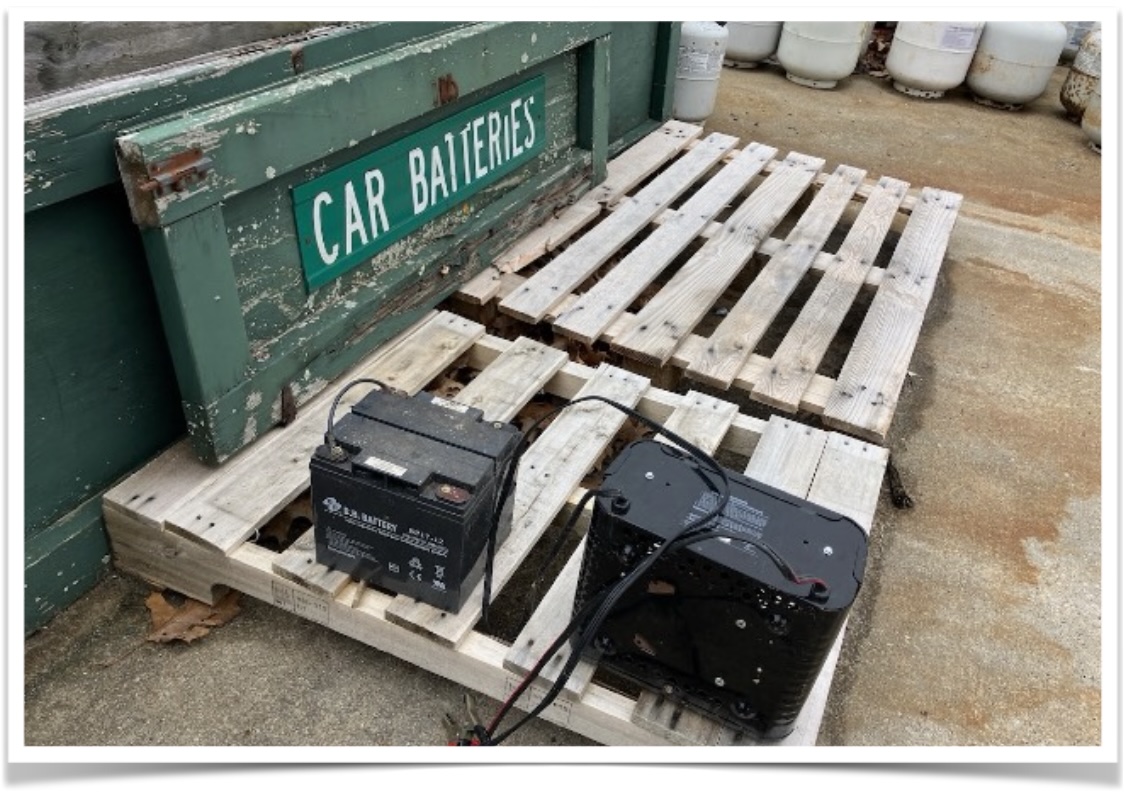
Some batteries—including small button batteries like CR2032s—should be brought to designated battery collection areas at the Transfer Station or participating retailers such as Staples. There is an area for car batteries at the transfer station.
Propane tanks should never go in the trash because they can explode if crushed or heated. The Eastham Transfer Station has a special area for these.
Smoke detectors may contain trace radioactive material and require special handling.
Oil-based paints and stain are considered hazardous waste and require special disposal at the HHW Collection Day. Latex paint is not accepted with hazardous waste collections. Instead, it should be dried out completely before disposal in the regular trash, or saved for a Latex Paint Take-Back Day.
Not sure where an item belongs? Resources like Beyond the Bin and the Cape Cod Commission Hazardous Waste Guide can help you find safe disposal options for hard-to-recycle and hazardous materials. A little extra care goes a long way toward protecting our community, workers, and environment.
What About Medical Waste?
Some household items can contain low levels of radioactive material, including materials from certain medical treatments for people or pets. If you or your pet are receiving radioactive treatments, ask your healthcare provider or veterinarian how to safely dispose of related waste.
Never flush medications down the sink or toilet—unused medications can harm waterways and wildlife. Instead, use a local medication take-back program or ask your pharmacy about safe disposal options.
More Information
Check out these resources for more information
- Eastham Recycling Committee Newsletters