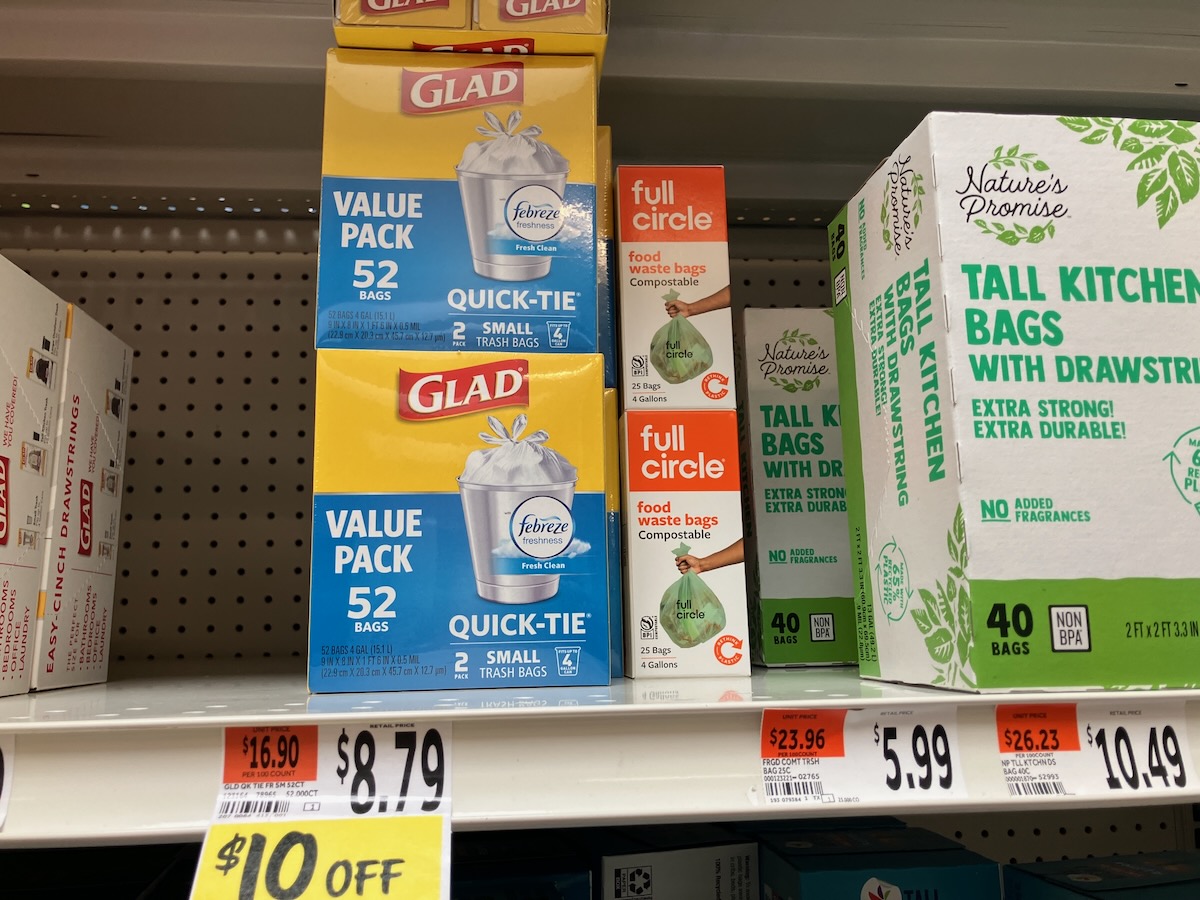
Better Bagging: Eco-Friendly Trash Bag Alternatives When Waste Must Be Bagged
If you’re trying to reduce plastic waste in your home, trash bags can feel like a frustrating roadblock—especially when your local transfer station (like ours) requires solid waste to be bagged. The good news? You can make better choices when it comes to bagging your trash. Here are some lower-impact substitutes for traditional plastic trash bags, plus a few tips for reducing your bag use altogether.
Reuse What You Already Have
Before buying anything new, consider what’s already in your home. Many types of plastic packaging—like large pet food bags, bread bags, or even cereal liners—can double as trash bags.
- Great for small bins: Use grocery bags or produce bags to line bathroom and office wastebaskets.
- Heavy-duty reuse: Dog food, cat litter, and bird seed bags are often durable and sealable.
💡 Pro tip: Keep a bin or drawer for saved bags so they’re ready when you need them.
Try Certified Compostable Trash Bags
If you’re going to buy bags, choose BPI-certified compostable bags made from plant-based materials like cornstarch or PLA. These break down under industrial composting conditions, but even if they end up being incinerated, they typically release fewer toxic byproducts than petroleum-based plastic.
- Look for brands like BioBag, UNNI, or Green Earth.
- Make sure they’re labeled ASTM D6400 or EN 13432 compliant.
Choose Recycled-Content Trash Bags
If compostables aren’t practical, the next-best option is a trash bag made with post-consumer recycled plastic. These help close the loop on plastic use and reduce demand for virgin plastic.
- Brands like Seventh Generation, Hippo Sak, and Hefty Renew offer recycled options.
Still plastic, but it’s a step in the right direction.
Reduce What Needs to Be Bagged
Even your trash has to be bagged, you can cut back on how many you fill:
- Compost food scraps at home or through a drop-off program. See Compost.
- Recycle properly to avoid wasting bag space.
- Swap out single-use items for reusable versions.
- Reuse “trash” creatively—think: art projects, cleaning rags, storage.
The less you throw away, the fewer bags you’ll use—regardless of type.
Final Thoughts
Even if our local transfer station requires all waste to be bagged, that doesn’t mean we’re stuck with single-use plastic. With a little creativity and planning, we can reduce our impact—and send a message that sustainable choices matter, even at the curb.